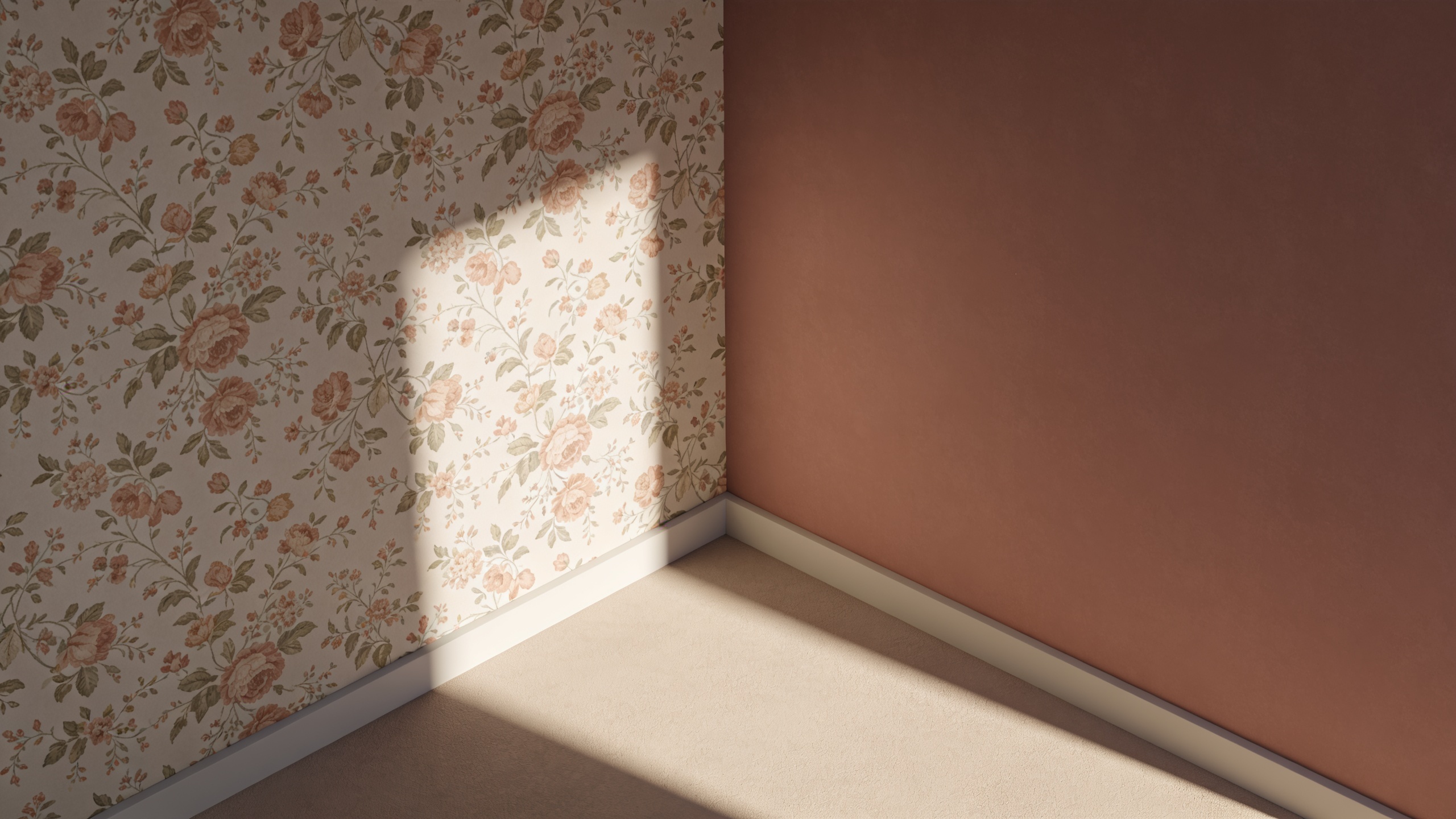
Which Is Better: Wallpaper or Paint?
Walk into any home improvement store and you will face the same wall covering debate that has divided homeowners for decades. Wallpaper or paint? The answer depends on your budget, your skill level, your timeline, and how long you plan to stay in the space. I have worked on enough interior projects to know that neither option wins every time. What matters is matching the right tool to the right room and the right goals.
Let me break this down properly so you can make a confident call.
The Core Differences at a Glance
Before diving into specifics, here is a direct comparison of how wallpaper and paint stack up across the factors that matter most to most homeowners.
| Factor | Wallpaper | Paint |
|---|---|---|
| Upfront cost | $25 to $100+ per roll | $20 to $80 per gallon |
| Labor difficulty | Moderate to high | Low to moderate |
| Longevity | 10 to 30 years | 5 to 10 years |
| Design range | Patterns, textures, murals | Unlimited color, limited texture |
| Removal effort | High (especially older paper) | Low (sand and repaint) |
| Best for | Accent walls, dining rooms, bedrooms | High-traffic areas, ceilings, rentals |
That table tells a story. Wallpaper lasts longer and offers more visual complexity. Paint is faster, cheaper upfront, and far easier to change.
When Wallpaper Wins

You Want Texture and Depth
Paint sits flat on a wall. Wallpaper adds a third dimension. Grasscloth, embossed vinyl, and textured fabric wallpapers create a tactile quality that paint simply cannot replicate with a standard roller. In a dining room or a primary bedroom, that depth transforms the atmosphere in a way that a coat of even the best Benjamin Moore color cannot.
You Are Committing to a Space Long-Term
Wallpaper is a commitment, and that commitment pays off. A quality vinyl wallpaper installed correctly can last 15 to 20 years with minimal maintenance. Paint, by contrast, starts showing scuffs, fading, and chips in high-traffic areas within three to five years. If you own your home and plan to stay, the higher upfront cost of wallpaper spreads out over time and becomes competitive with repainting every five years.
You Want a Statement
An accent wall covered in a bold geometric or a painterly botanical print does something that paint alone rarely achieves. It anchors the room, gives it a focal point, and communicates design intention. I have seen a single wallpapered wall turn a generic bedroom into something that feels curated and deliberate.
When Paint Wins
You Need Speed and Simplicity
A gallon of paint, a roller, and a weekend is all it takes to transform a room. Wallpaper installation requires wall prep, adhesive mixing, precise cutting, seam alignment, and a longer drying window. For most DIYers, a wallpaper job done wrong is far more painful than a slightly imperfect paint job. Paint forgives mistakes. Wallpaper does not.
You Are in a Rental or High-Traffic Zone
Landlords and renters both benefit from paint. It applies fast, touch-up repairs are easy, and removal leaves no lasting damage to walls. Wallpaper in a rental is a liability. Removing old wallpaper, especially pre-1990s paper applied directly to drywall without a primer, can tear the facing paper off the drywall and create a repair job that costs more than the original project.
Kitchens and bathrooms also tend to favor paint, specifically moisture-resistant formulations like semi-gloss or satin. While there are moisture-rated wallpapers on the market, the seams remain a vulnerability in steam-heavy environments.
Your Budget Is Tight Right Now
Paint is accessible. A 400-square-foot bedroom costs roughly $80 to $150 in quality paint and supplies. That same room in mid-range wallpaper could run $300 to $600 before you even factor in professional installation, which typically adds $1 to $3 per square foot. If budget is the primary driver, paint is the practical choice.
The Hybrid Approach I Actually Recommend
Here is my honest take. Most rooms benefit from a combination of both. Paint the ceiling, the trim, and three of the four walls. Use wallpaper on the feature wall behind the bed, the fireplace, or the entry. This approach keeps costs manageable, limits the installation complexity, and still delivers the visual payoff that wallpaper provides.
I have done this in my own office. Three walls in a warm off-white, and one wall in a deep navy linen-textured wallpaper. The result looks intentional and expensive. The actual cost was reasonable because only one wall needed paper.
Key Considerations Before You Decide
Here is a quick checklist to guide your final call:
- Condition of your walls: Wallpaper highlights imperfections. Paint can hide minor flaws, especially with a matte finish.
- Time available: Allow at least two days for a full wallpaper install. Paint can be done in one.
- DIY skill level: Paint is beginner-friendly. Wallpaper rewards patience and precision.
- Room function: High humidity rooms favor paint. Low-traffic, dry rooms are ideal for wallpaper.
- Future plans: If you anticipate selling within five years, a neutral paint job is the safer resale choice. Bold wallpaper can polarize buyers.
- Kids and pets: Scrubbable paint finishes handle wear better than most wallpapers.
Takeaways
Wallpaper wins on longevity, texture, and visual impact. Paint wins on cost, speed, and flexibility. The right answer almost always comes down to the specific room, your timeline, and how much friction you want to deal with during installation and eventual changes.
My personal preference leans toward wallpaper for bedrooms and dining rooms, paint for everything else. That split covers most homes well.
If you are ready to move forward, measure your wall square footage, price out both options for your specific space, and factor in labor costs if you plan to hire out the work. The numbers will make the decision clearer than any general advice can.